

Why Intumescent Coatings Cost More Than Standard Textile Coatings
When a material needs to do more than resist a flame, the specification changes significantly. Intumescent coatings sit in a different category to standard flame retardant coatings entirely, and their price reflects that. Understanding what goes into intumescent fire protection makes that figure a lot easier to justify.
What Makes Intumescent Coatings Different
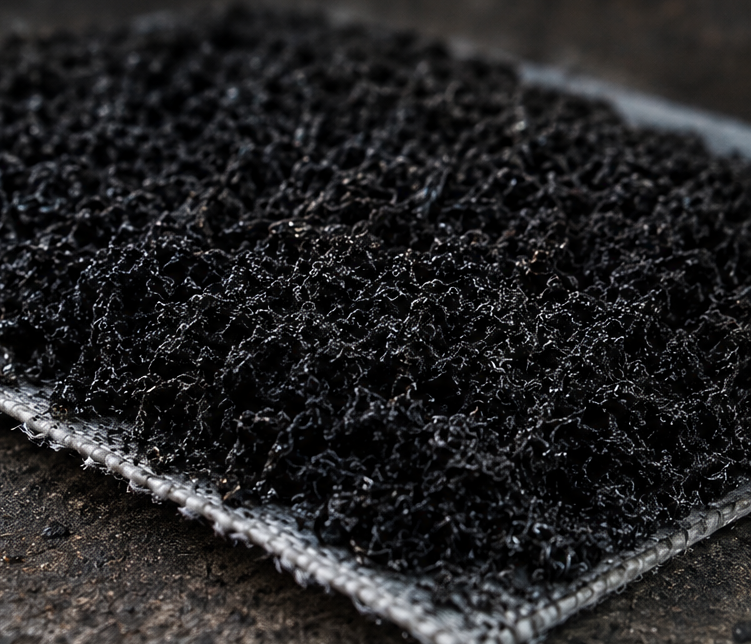
Most fire retardant coatings work by slowing the spread of flame or reducing the flammability of the base fabric. They are a useful and cost-effective solution for a wide range of applications. Intumescent coatings do something fundamentally different. When exposed to heat, they undergo a chemical reaction that causes the material to expand, forming an insulating char layer that physically shields the underlying fabric from fire. That char can expand to many times the original coating thickness, creating a barrier that standard flame retardant coatings simply cannot replicate.
This chemical response, rather than a passive barrier, is what sets intumescent protection apart. It is typically specified in environments where fire safety performance is a regulatory or contractual requirement, including construction, marine and aviation applications.
The Chemistry Behind the Cost
Intumescent coatings are formulated from a precise combination of compounds that must be balanced carefully to produce a consistent, reliable char under fire conditions. Getting that formulation right requires extensive research, development and testing. The raw materials involved are also considerably more technically complex than those used in standard coatings.
Standard flame retardant coatings typically use more straightforward chemistry, often mineral-based or halogen-based compounds that are widely available and well established. The raw material costs are lower and the formulation less complex, which is reflected directly in the price. Explore our range of polymer coated glass fabrics used in passive fire protection.
Testing, Certification and Compliance
Intumescent fire protection products must meet stringent performance standards before they can be specified for critical applications. Testing involves exposing coated materials to controlled fire conditions and measuring the response of the char, the temperature on the protected side and the integrity of the fabric over time. This testing is costly, time-consuming and must be carried out by accredited third parties.
Certification is not a one-off exercise either. Maintaining compliance as formulations evolve or as new application requirements emerge means ongoing investment in testing programmes, and that ongoing commitment is part of what drives the cost.
Specialist Application and Quality Control
Applying intumescent coatings to technical fabrics is a precision process. Coverage must be consistent across the fabric to ensure the intumescent reaction performs as intended. Variations in coat weight can affect how the char forms, which in turn affects the level of protection delivered.
This demands tighter process controls, more rigorous quality checks and a higher level of technical expertise at the manufacturing stage than standard coating applications typically require.
That precision also has a direct bearing on longevity. A correctly applied intumescent coating will maintain its performance characteristics throughout the lifespan of the fabric system, meaning the cost is spread across the full working life of the product rather than being a recurring expense.
What That Means for Your Specification
Intumescent-coated fabrics carry a significant price premium over standard flame retardant coatings. For applications where that level of fire protection is genuinely required, that cost needs to be understood in context. The cost of specifying the wrong product, whether through under-protection or non-compliance, will always exceed the cost of the coating itself.
Where intumescent fire protection is the right solution, it is rarely possible to achieve the same level of performance through any other means. The price reflects not just the material and the process, but the research, testing and manufacturing precision that make reliable fire protection possible.