

Choosing the Right Alumina Fabric for Your Project
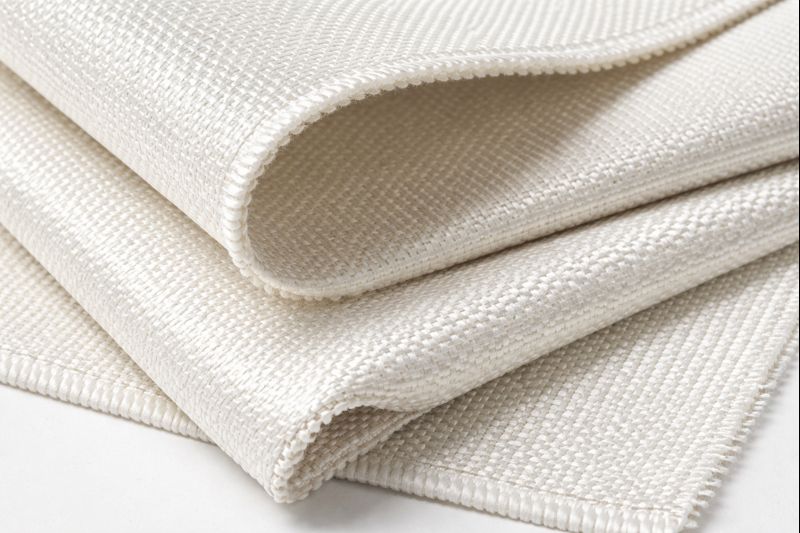
Selecting the appropriate alumina fabric is essential for ensuring optimal performance in high-temperature and demanding industrial environments. Alumina fabrics are valued for their exceptional thermal stability, mechanical strength and durability. This makes them suitable for applications where standard textiles cannot deliver the required thermal or mechanical performance.
THS works closely with operations managers, engineering managers and department heads to specify the right solution for each project. This collaborative approach helps balance performance requirements with practical considerations such as installation method, system design and long-term reliability.
Understanding Your Alumina Requirements
Before choosing an alumina fabric, it’s important to consider the specific needs of your project.
Temperature Tolerance
Different alumina fibres and fabrics are designed to withstand varying levels of sustained heat. THS alumina fabrics can endure temperatures up to 1250°C, with selected boron-free fibre types performing safely at up to 1395°C. Understanding the maximum operating temperature is critical when specifying materials for high-heat systems.
Mechanical Requirements
Alumina tensile strength ensures fabrics resist stretching, shrinking or breaking under thermal or mechanical stress. Consider whether the fabric will be suspended, supported or subject to repeated handling.
Weight and Thickness
Heavier or thicker fabrics provide more insulation and thermal protection but may require adjustments for installation and flexibility. Choosing the right balance between weight, thickness and system demands ensures both performance and ease of use.
Installation Method
Alumina fabrics can be sewn, clamped or layered into composite systems. Selecting a fabric compatible with your preferred installation method can improve efficiency and maintain integrity over time.
Typical Applications of Alumina Fabrics
Alumina fabrics are highly versatile and can be used across a wide range of industrial settings. Typical applications vary depending on system design and operating conditions, but often include:
- Refractory insulation and high-temperature barriers
- Welding and molten metal protection
- Fire curtains and industrial thermal barriers
- Automotive thermal management systems
- Aerospace and energy sector applications
The right fabric choice depends on the combination of temperature exposure, mechanical demands and installation method. THS can guide you to the most suitable solution for each scenario.
How THS Supports Your Specification Process
As experienced suppliers of alumina fabrics, THS brings extensive knowledge of alumina manufacturing and the production of alumina textiles. We help customers navigate key factors, including:
- Matching the fabric type to specific alumina applications.
- Identifying the appropriate fibre construction for maximum thermal and mechanical performance.
- Ensuring compatibility with other system materials and coatings.
By approaching material selection as a collaborative process, THS positions itself as a partner in specifying solutions that meet both performance and operational requirements.
Why Work with THS
All THS alumina fabrics are boron free and available in multiple weights, thicknesses, and constructions. Matching sewing threads made from the same fibres ensure consistent performance across your system.
Partnering with THS gives you confidence in specifying the right alumina fabric for your project, maximising performance, safety and long-term reliability.
Contact THS to discuss your project requirements and ensure the most suitable alumina fabric is specified for your system.