

Why Proper Packaging Matters for Defective Lithium-Ion Batteries
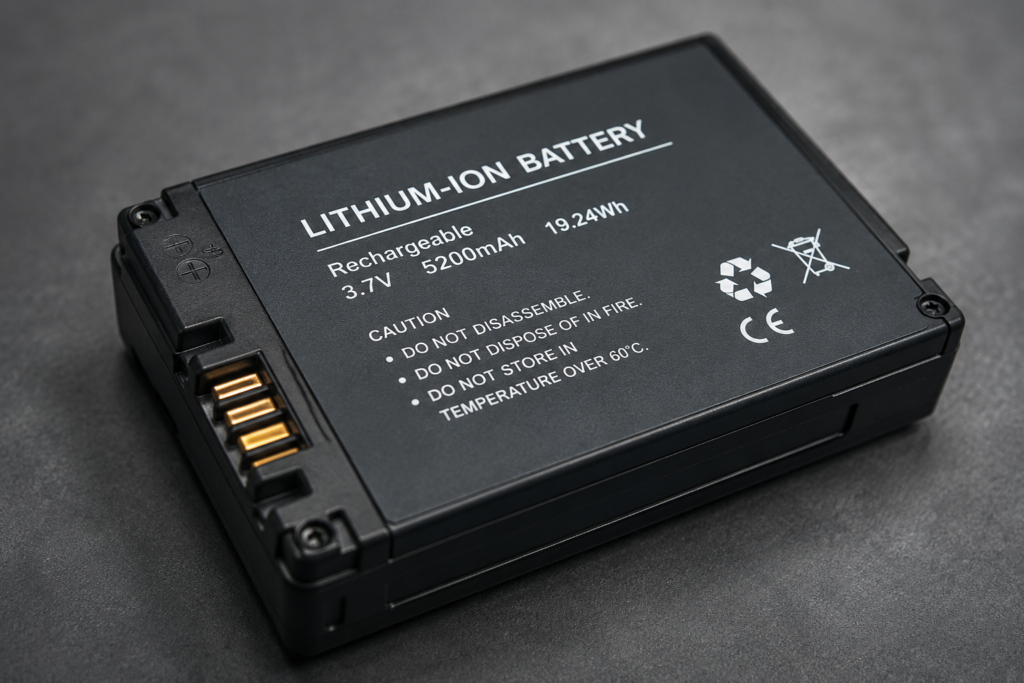
Lithium-ion batteries are everywhere. From the smartphone in your pocket to the electric vehicle on your driveway, from power tools on a construction site to prototype batteries in a research laboratory. Rechargeable lithium-ion technology underpins an enormous and growing proportion of modern life.
With batteries now so deeply embedded in how we live and work, this creates a real challenge for businesses across logistics, electronics, automotive and recycling. Knowing what to do when those batteries go wrong, and how to transport them safely, is something more and more businesses are having to consider.
Understanding the Risk
A defective lithium-ion battery is not simply an inconvenience, it is a genuine safety hazard. When a lithium-ion cell is damaged, overcharged, short-circuited or otherwise compromised, it becomes susceptible to a process known as thermal runaway. This is a self-sustaining chain reaction within the battery cell in which rising temperature causes further chemical breakdown. This in turn generates more heat, more gas and in serious cases, fire or explosion.
How to Identify a Defective Battery
Not every battery failure is immediately obvious, and in some cases a battery may be deteriorating without any visible signs. However there are a number of warning signs that a lithium-ion battery may be defective or compromised:
- Swelling or bulging of the battery casing
- Discolouration or scorch marks on the battery or surrounding components
- An unusual smell, often described as sweet or chemical in nature
- Leaking fluid or a sticky residue around the battery
- Excessive heat during charging or use
- A significant and sudden drop in battery performance or capacity
If any of these signs are present, the battery should be treated as defective and handled accordingly.
What Causes Thermal Runaway?
Thermal runaway can be triggered by a number of factors, including:
- Physical damage such as a puncture or crush injury to the cell
- Exposure to excessive heat
- Internal cell failure
- Electrical faults or short circuits
It is also worth noting that lithium battery fires are exceptionally difficult to extinguish. Standard fire extinguishers are largely ineffective, and a fire caused by thermal runaway can reignite even after it appears to have been put out. This makes prevention, through proper handling and packaging, far more important than any reactive measure.
What makes it particularly dangerous is the speed at which it can escalate. Temperatures within a failing cell can reach hundreds of degrees Celsius within seconds, and the gases released are both toxic and highly flammable.
In a transport or logistics context where a defective battery might be sitting in a vehicle, an aircraft hold or a warehouse, the consequences of an incident can be severe.
This is why the packaging used to transport defective lithium-ion batteries is not simply a matter of good practice. In many cases, it is a legal and regulatory requirement.
The Regulatory Landscape
The transport of dangerous goods, including defective or damaged lithium-ion batteries, is governed by strict international and national regulations. In road transport, the ADR (European Agreement Concerning the International Carriage of Dangerous Goods by Road) sets out detailed requirements for how such batteries must be packaged, labelled and handled. Similar frameworks apply to air freight under IATA’s Dangerous Goods Regulations and to sea freight under IMDG guidelines.
These regulations exist for good reason. Defective batteries are classified as dangerous goods because of the genuine risks they pose in transit. Businesses that fail to comply through incorrect packaging, inadequate cushioning materials or improper labelling expose themselves not only to the risk of a serious incident but also to significant legal liability.
Correct labelling is also a key part of compliance. Packages containing defective lithium-ion batteries must typically display a Class 9 hazard label and be clearly marked with wording such as “Damaged/Defective Lithium-Ion Battery” to ensure handlers at every stage of the journey are aware of the contents.
Getting the packaging right is therefore critical, both from a safety standpoint and a compliance one.
Why Conventional Packaging Falls Short
For many years, businesses transporting defective batteries have relied on conventional fillers such as sand, vermiculite or fire-protection granules to provide cushioning and contain potential leaks. While these materials offer a degree of protection, they come with significant practical drawbacks:
- They are single-use, meaning every shipment generates additional waste
- They are not specifically engineered for the demands of lithium-ion battery chemistry
- Their absorption capacity and thermal performance are limited compared to purpose-designed alternatives
As battery technology has evolved and the volume of batteries in circulation has grown, the need for a purpose-designed high-performance packaging solution has become increasingly clear.
What Good Packaging Actually Requires

Effective packaging for defective lithium-ion batteries must:
- Provide reliable physical cushioning to prevent further damage to the cell
- Be chemically inert and stable in contact with battery electrolytes
- Be non-flammable to avoid adding fuel in the event of thermal runaway
- Be electrically non-conductive to prevent short circuits during handling
- Offer high absorption capacity to safely contain any electrolyte leakage
That is a demanding set of requirements and it is precisely why specialist materials developed specifically for this application represent a significant step forward from traditional fillers.
Taking Battery Transport Seriously
As lithium-ion batteries become ever more central to modern life, the volume of defective, damaged and end-of-life batteries requiring safe transport is only going to increase. Businesses in this position span a wide range of sectors. From consumer electronics returns and EV battery incidents, to recycling facilities and laboratory environments. In all cases, getting the packaging wrong can have serious consequences.
Understanding those risks and investing in packaging solutions that are genuinely fit for purpose is not just about compliance. It is about protecting your people, operations and the people your shipments come into contact with along the way.
At THS Textiles, we supply CIRRUX® packaging cushions, a specialist solution designed specifically for the safe transport of defective lithium-ion batteries. If you’d like to find out more about how we can help, get in touch with our team.